Smart Polygon
Quickly create polygon annotations with one click, powered by Meta AI's Segment Anything 2 model.
High-quality AI training datasets for projects of any size. Our in-house team and studios can help you with data creation, generation, and labeling for all your training needs.
Label data quickly with a suite of AI-assisted annotation tools to augment human labeling or fully automate your data labeling pipeline.
Quickly create polygon annotations with one click, powered by Meta AI's Segment Anything 2 model.
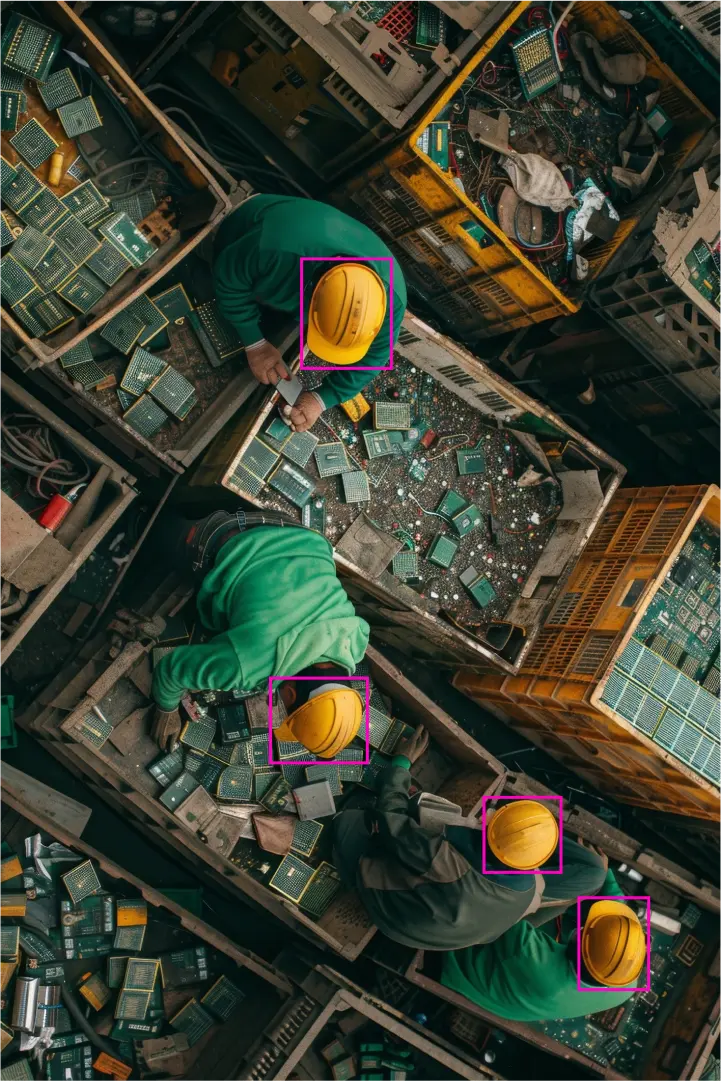
Use custom models for annotating images and reduce human labeling time by 95%.
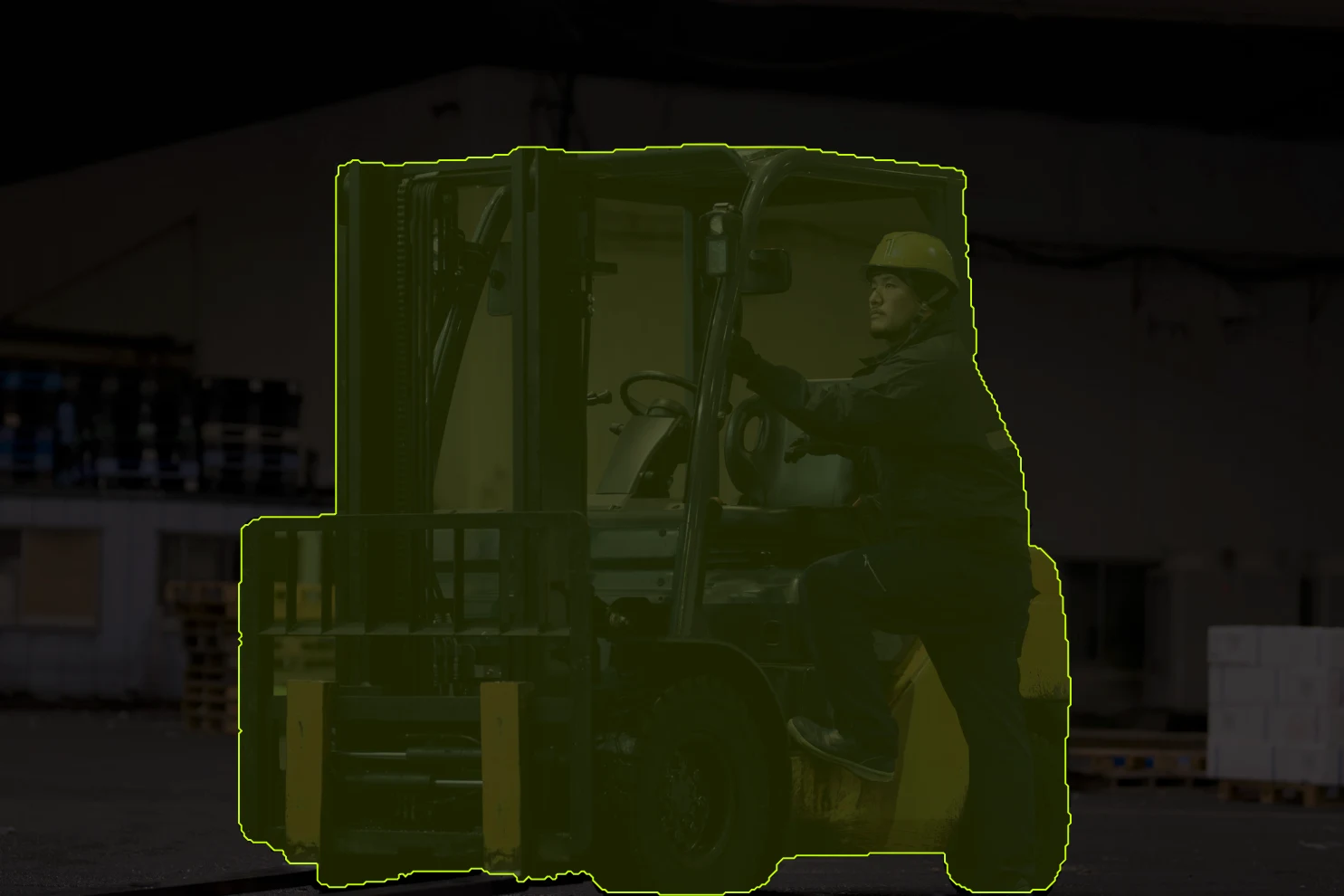
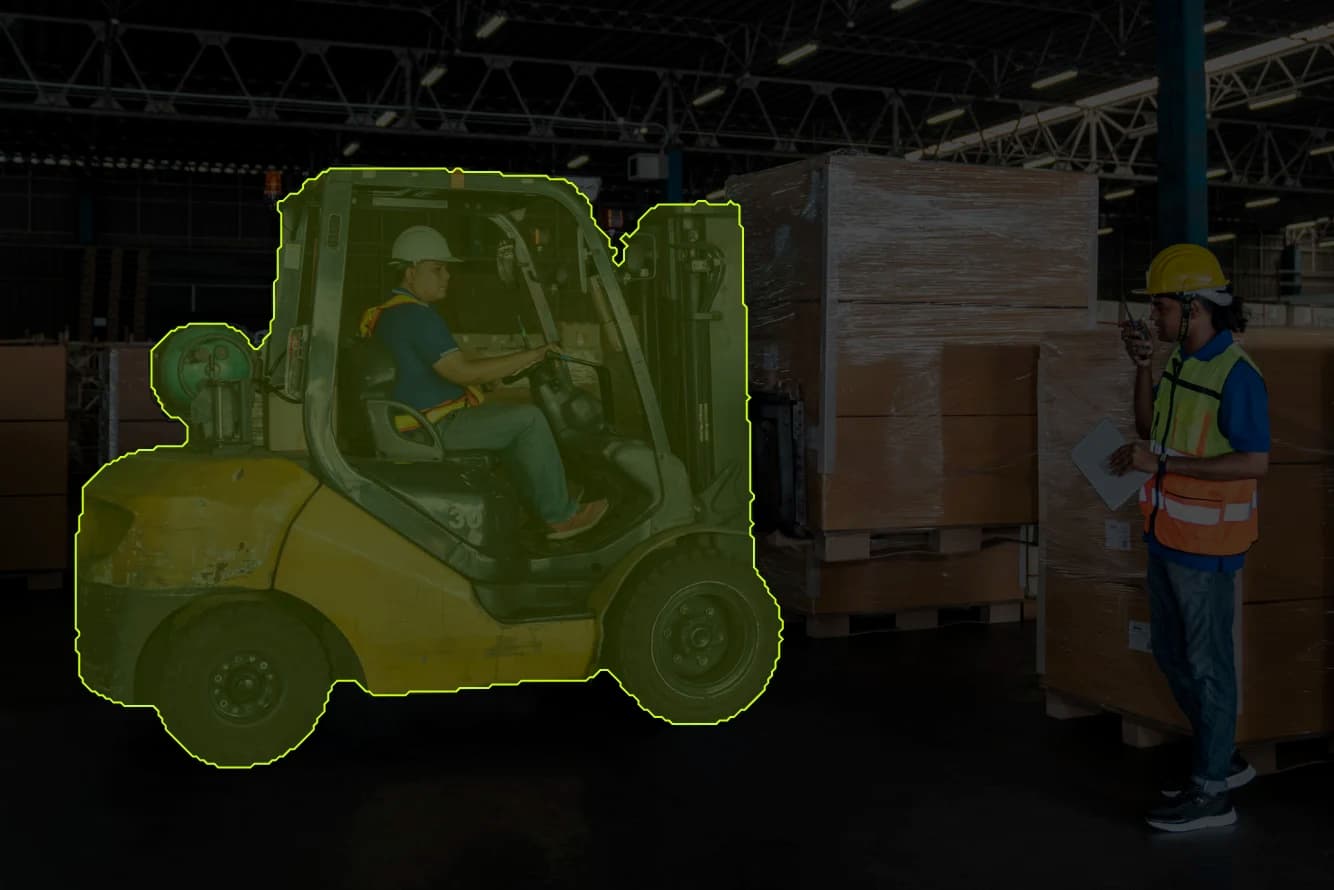
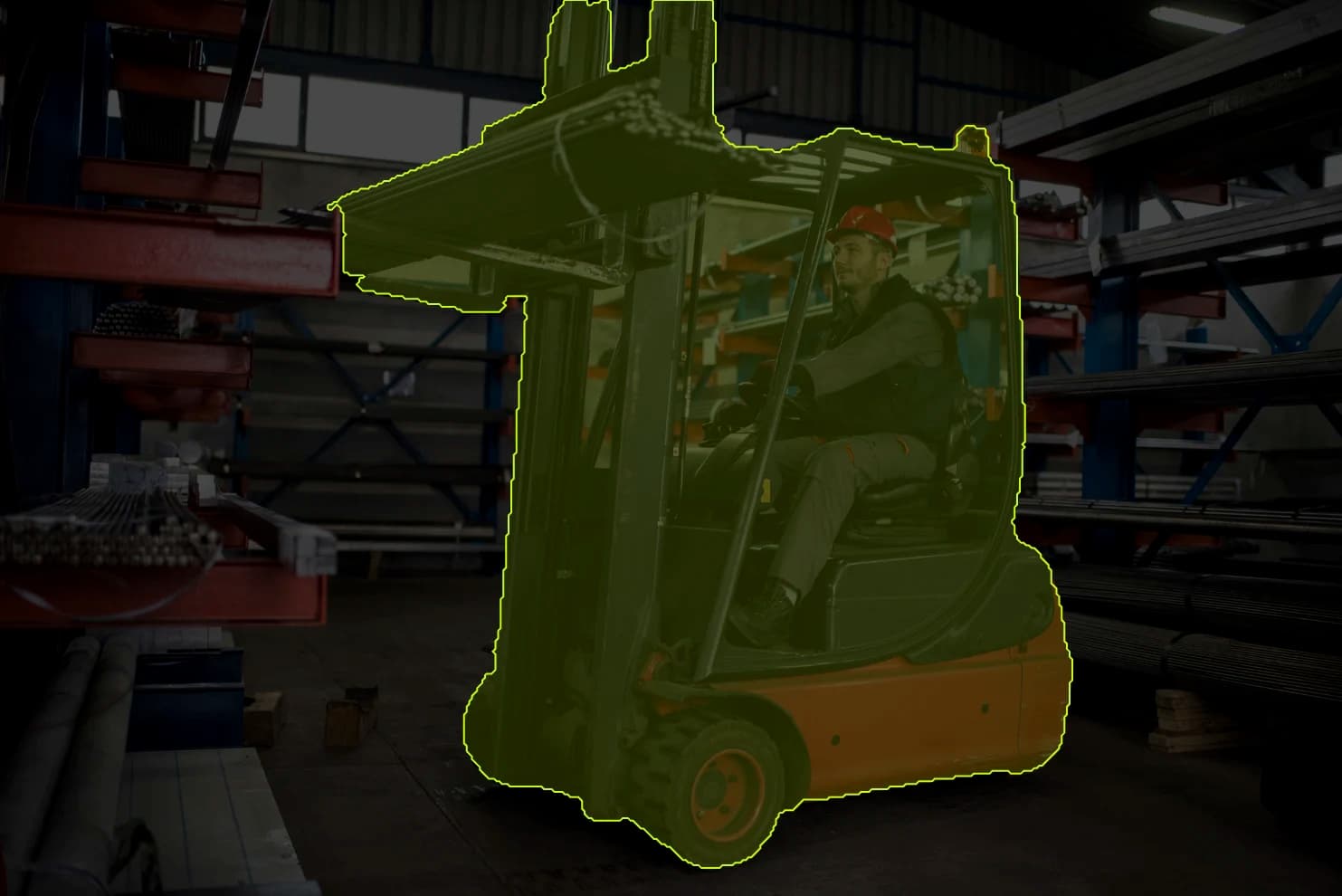
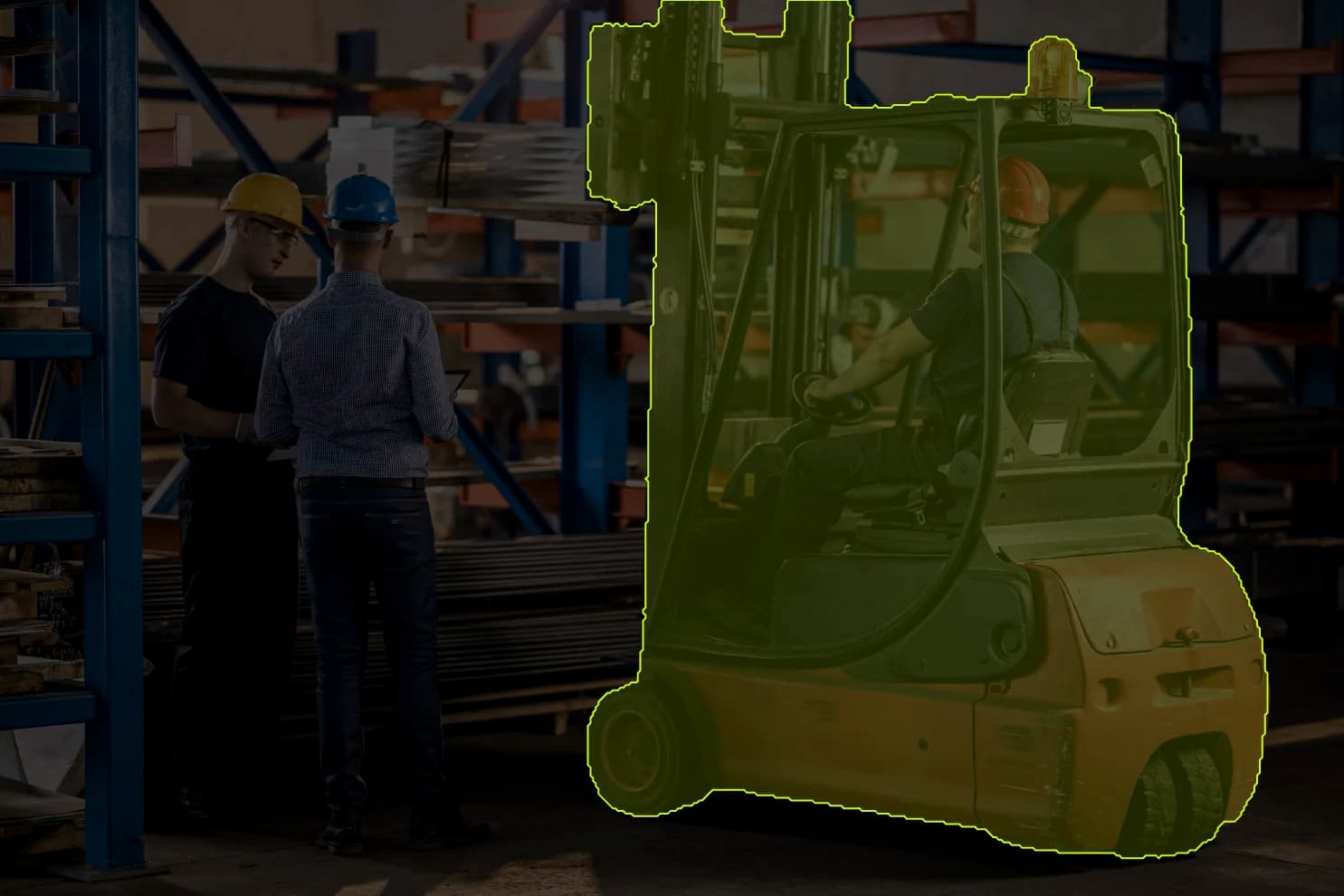
Auto Label uses state-of-the-art foundation models to help you label thousands of images in minutes.
Our proprietary platform Keylabs.ai and professional in-house annotation team made us a leading annotation service provider on the market for embedded AI and physical AI projects.

We employ professional in-house annotators who specialize in different industries, and then provide them with advanced tools to perform high-quality labeling. Our staff includes medical experts, agronomists, engineers, and other domain experts to meet the needs of different projects.
Our platform supports complex tasks such as object tracking on multiple videos and attribute hierarchy. We process videos of any size by using bounding boxes, points, lines, polygons, and multi-segment lines to mark up video frames. Moreover, we quickly adapt and scale teams to match any annotation workload.
This process ensures that every pixel in your image is accounted for, so your AI can understand full scenes rather than just fragments. We use advanced proprietary tools to achieve fast and accurate segmentation for image datasets of any size.
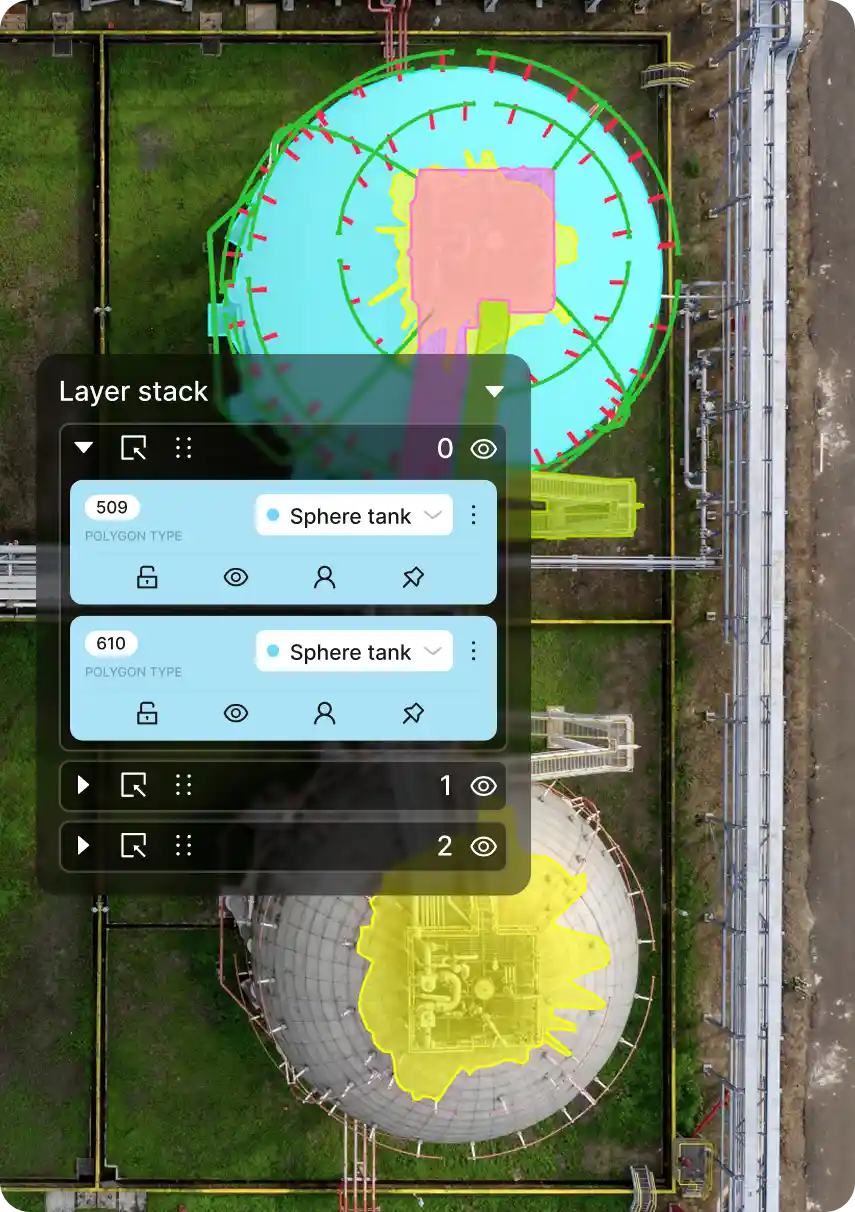
We have studios across the world and access to specialized equipment, including software licenses and hardware from cameras to niche recording tools. In addition, we can work with your tools and use your premises or products for unique needs in automotive, manufacturing, robotics, and other projects.
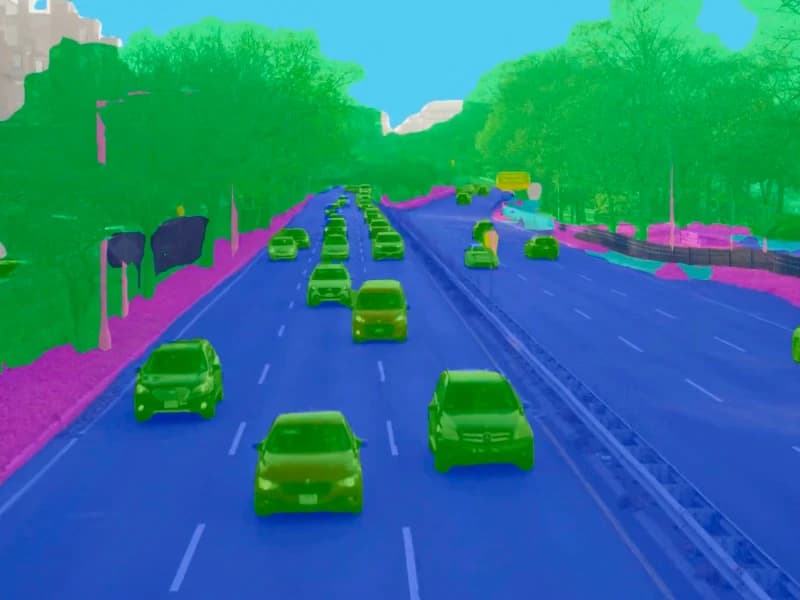
We help increase the accuracy of your AI training datasets by verifying, ground-truth benchmarking, and refining LLM-interpretable annotations to improve real-world performance.
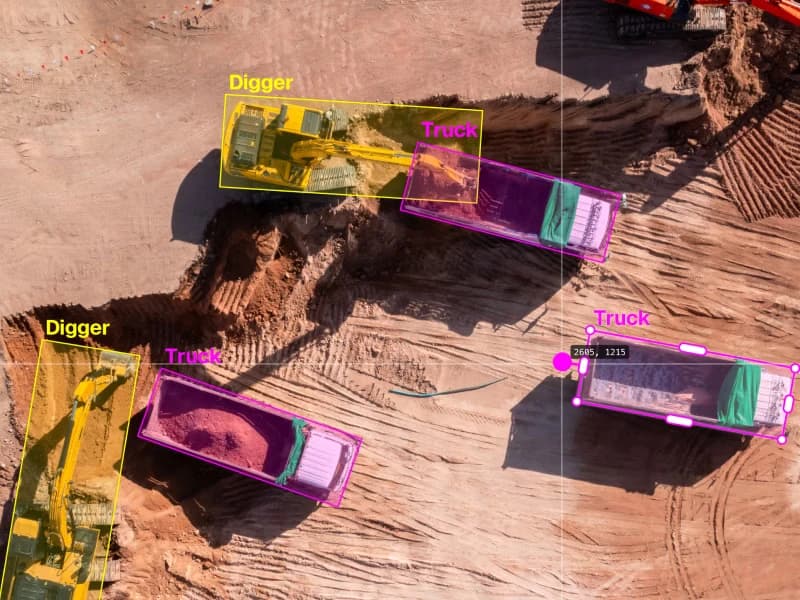
We use our proprietary annotation platform to ensure pixel-perfect annotation of your images and videos. Segmentation helps your computer vision systems understand nuance and get to the next level.
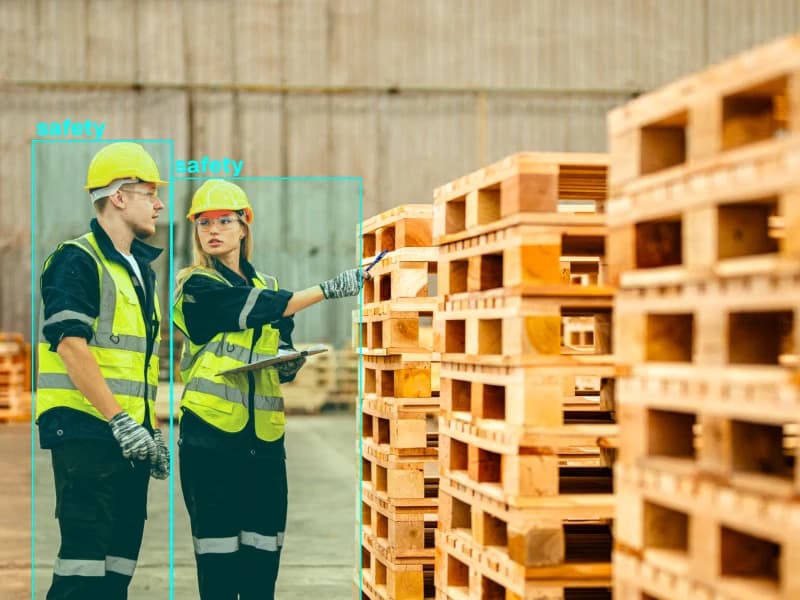
We use ML models to help automatically label data, significantly increasing speed and efficiency. Our 4 levels of human-led QA and custom sanity scripts ensure that all automatically annotated data is accurate and matches the standards required for the optimal performance of your models.
We work with LiDAR data to teach your AI models about spatial relationships between objects in the real world for physical AI systems. This is especially important for the automotive, logistics, and aerospace industries, where autonomous navigation is enabled by Point Cloud datasets.

We employ a wide variety of techniques to collect sensor and multimodal datasets that are useful, unique, and compliant for your AI training.
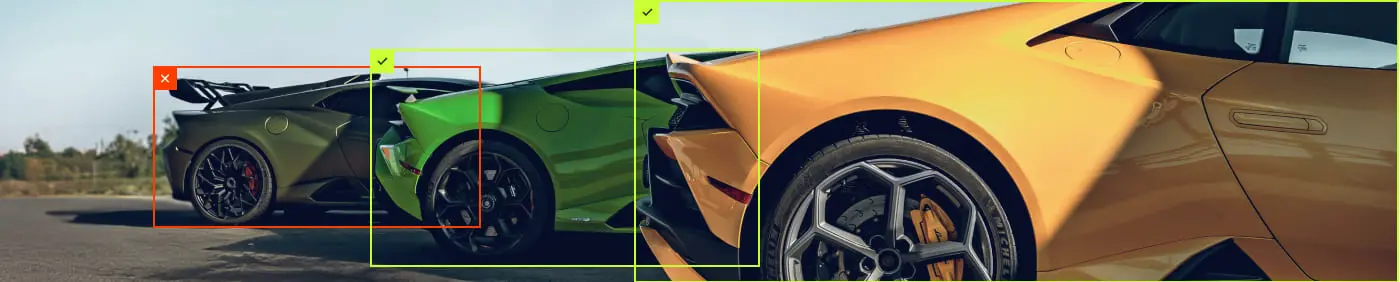
Every label is reviewed against project guidelines. We flag errors, confirm accepted annotations, and return a clean ground-truth set your models can train on with confidence.
We deliver pixel-perfect labels for images and video, across every major annotation type. Each project is managed by ML experts who keep quality, taxonomy, and throughput aligned with your model.
The most common annotation type that works for object recognition and tracking. It's generally used in computer vision systems for simple tags.
A bounding box variation placed at an angle to help your model more accurately understand the exact position of the object it needs to process.
This method helps extrapolate 3D objects from 2D images and videos by adding depth and height to the image for approximate dimensions.
Helps precisely define non-standard objects by tracing their shape with small connected lines that define them. Used for added accuracy.
Everything in an image gets classified separately with colors assigned to objects. Helps your model process full scenes with pixel-perfect accuracy.
Connected lines are attached to limbs of usually humans and animals to precisely mark their position and track poses and shapes.
Individual points are marked and assigned separate labels for specific features such as understanding human faces or emotions.
Linear structures such as roads, pipelines, railroad tracks, and other parts of the infrastructure get marked with lanes for easier processing.
Further classification of scenes that includes assigning separate labels and colors to individual instances of each object. Highlights properties and adds precision to the data.
Used to accurately mark separate parts of an object as belonging to a single entity — such as a field split into two separated by something else in the foreground.
Often used for LiDAR data in autonomous vehicles, this method helps recreate entire scenes with real-world relationships between objects in 3-dimensional space.
ML algorithms help automatically detect objects and tag them. This method requires human supervision and QA, as well as specialized tools such as those offered by our platform.
From computer vision startups to enterprise model teams, clients stay with Pixelmark for accuracy, speed, and a process that holds up in production.
“Working with Pixelmark accelerated our ability to deliver and scale complex vision datasets. The in-house team understood our taxonomy from day one and kept quality consistent as volume grew.”
“Data accuracy is critical for our autonomous systems. Pixelmark gave us a precise, well-managed labeling pipeline so we could iterate on models instead of chasing annotation errors.”
“We improved production models on a weekly cadence. Their mix of expert annotators and automatic pre-labeling cut turnaround without lowering the bar.”
“Pixel-perfect segmentation at a scale we could not staff internally. Communication was sharp, QA was visible, and the datasets were ready for training on delivery.”